Predictive Analytics in Healthcare: Reducing Hospital Readmission Rates
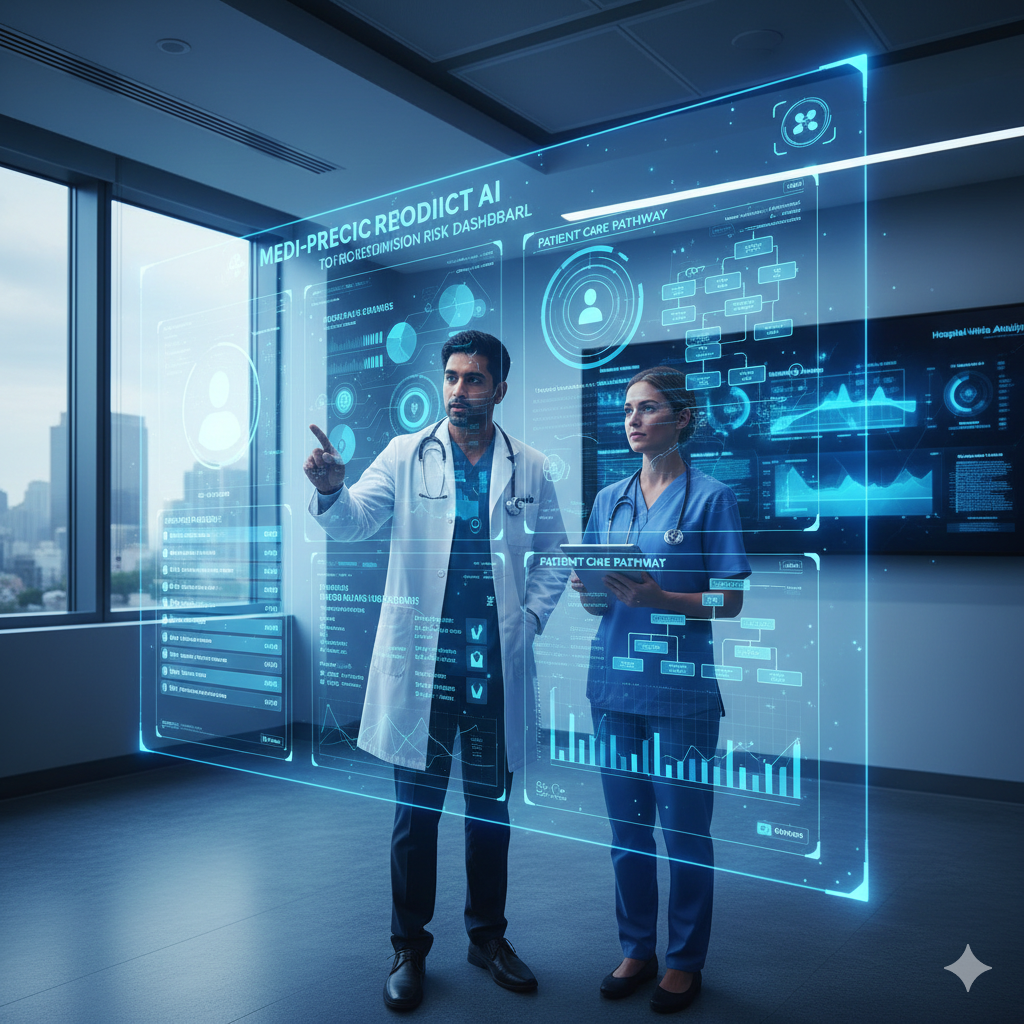
Predictive Analytics in Healthcare: Reducing Hospital Readmission Rates
By the year 2026, predictive analytics will have become an indispensable instrument in the field of healthcare, aiding in the reduction of hospital readmission rates and the enhancement of patient outcomes. When patients are readmitted immediately after being discharged from the hospital, the hospital faces a number of substantial issues, including increased expenditures, increased pressure on resources, and decreasing patient satisfaction. Those individuals who are at a high risk of readmission may be identified via the use of predictive analytics by using historical data, clinical measures, and patient-specific characteristics. It is possible for healthcare professionals to perform targeted treatments, change care plans, and follow patients more carefully after they have been discharged by using these insights. This will eventually result in a reduction in readmissions and an improvement in the overall quality of care.
Comprehending the Concept of Predictive Analytics
For the purpose of analyzing massive datasets, predictive analytics makes use of sophisticated algorithms and machine learning models. This allows for the identification of patterns and trends that may not be immediately apparent to doctors. For the purpose of estimating the likelihood of readmission, these models take into account a variety of factors, including medical history, laboratory findings, comorbidities, socioeconomic determinants of health, and past hospitalizations. Through the use of predictive analytics, hospitals will be able to foresee the requirements of their patients and respond proactively rather than reactively in the year 2026.
Identifying Patients Who Are at a High Risk
Through the use of predictive models, healthcare teams are able to prioritize resources for patients who are most likely to benefit from extra treatment. This is accomplished by stratifying patients on their risk of readmission. Patients who have been identified as being at a high risk may get individualized follow-up care, medication management, and help for home health care. By ensuring that treatments are timely and focused, early identification helps to reduce the chance of readmissions that may have been avoided without intervention.
After-discharge care plans that are individualized
The development of tailored post-discharge care plans is made easier with the use of predictive analytics. These plans could include reminders to take medications as prescribed, guidelines for maintaining a healthy diet, follow-up visits, or even remote monitoring via the use of wearable technology. Hospitals have the ability to increase patients’ chances of recovery, improve compliance, and prevent problems that often result in readmission by personalizing treatment to the particular risk profile of each individual patient.
Integration with Electronic and Electronic Health Records
Integration of predictive analytics with electronic health records (EHRs) is the most effective way to measure its effectiveness. Real-time access to patient data is made possible by seamless integration, which also guarantees an accurate risk assessment and enables doctors to initiate rapid action based on insights provided. In the year 2026, the integration of electronic health records is an essential component for using predictive analytics in the operations of ordinary hospitals.
The use of Telehealth and Remote Monitoring
It is possible for patients who are at a high risk to benefit from telehealth therapies and remote monitoring that are guided by predictive insights. The course of symptoms, vital signs, and activity levels may all be monitored by devices, and telehealth visits make it possible for physicians to address problems in a timely manner. This proactive strategy decreases the number of needless trips to the hospital and allows patients to remain at home securely when it is suitable to do so.
Lessening the strain on resources and other costs
The use of predictive analytics enables hospitals to improve resource allocation and decrease operating expenses by avoiding readmissions that may have been avoided. When there are fewer readmissions, there are less costs associated with inpatient treatment, there is less burden placed on personnel, and there is more capacity to concentrate on other patients. As of the year 2026, predictive analytics contributes to the maintenance of high-quality patient care while also supporting financial sustainability.
Improving the Participation of Patients
Additionally, predictive analytics makes it easier to communicate with patients by offering information that can be used to guide initiatives for education and engagement. The likelihood of patients adhering to their treatment plans, attending follow-up appointments, and adopting healthier habits is increased when they have a better understanding of their risk factors and get tailored support. Patients who are actively involved in their care are less likely to encounter difficulties that result in readmission.
Continuous Monitoring and Improvement of Performance
In order to maintain their accuracy and relevance, predictive models need to undergo continual monitoring and refining operations. It is possible for hospitals to enhance the accuracy of their risk projections over time by combining fresh patient data, clinical results, and various treatment methods that are constantly improving. Improvements made on a continuous basis guarantee that predictive analytics will continue to be an efficient instrument for lowering readmission rates.
Regulations and the Protection of Data
To ensure compliance with privacy requirements, the patient data that is used in predictive analytics must be handled in a secure manner. Encryption, access restrictions, and audit logs are all necessary measures that hospitals must take in order to safeguard sensitive information. The protection of patient confidence and the avoidance of legal and regulatory problems are both benefits of ensuring compliance.
The Path Forward for the Prevention of Readmission
By allowing treatments that are preventive, tailored, and data-driven, predictive analytics promises a breakthrough approach to lowering the rates of hospital readmissions. Hospitals that make use of predictive insights will be able to enhance patient outcomes, maximize resource utilization, and provide higher-quality treatment in the year 2026. This will establish predictive analytics as an essential component of contemporary healthcare administration.