Using Natural Language Processing to Summarize Years of Patient Records
Using Natural Language Processing to Summarize Years of Patient Records
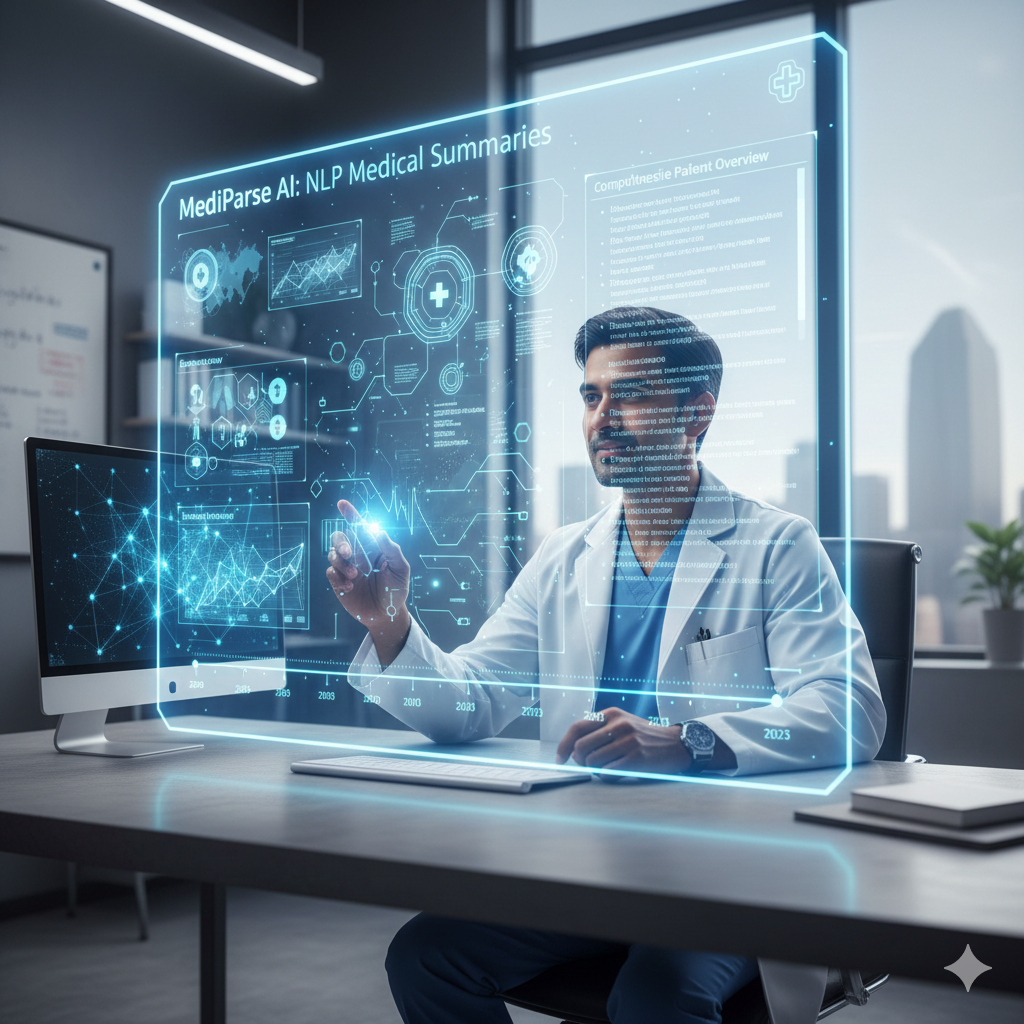
Natural Language Processing (NLP) is being extensively used by healthcare professionals in the year 2026 for the purpose of managing and summarizing voluminous patient data that have been amassed over the course of many years. When dealing with huge amounts of unstructured data, such as clinical notes, lab results, and imaging summaries, traditional techniques of examining medical histories are time-consuming, prone to mistakes, and sometimes unworkable. These are all elements that make them difficult to implement. AI systems are able to extract important information, recognize trends, and reduce lengthy medical histories into brief summaries thanks to natural language processing (NLP). Clinicians are able to swiftly obtain important patient data, make choices based on accurate information, and enhance care coordination when this process is automated. This is accomplished without compromising accuracy or patient safety.
NLP’s Role in the Healthcare Industry
For the purpose of processing unstructured material in patient records, such as clinician notes, diagnostic reports, and communication, natural language processing (NLP) makes use of sophisticated algorithms. The system is able to recognize things such as drugs, diagnoses, treatments, and allergies, and then use this information to arrange it into organized summaries. In the year 2026, natural language processing models are trained on language that is specialized to the healthcare industry. This ensures that medical terminology, abbreviations, and context are appropriately translated via the process of summarization.
Acquiring the Most Important Clinical Information
One of the most significant benefits of natural language processing is its capacity to recognize essential facts embedded throughout hundreds of pages of documents. By highlighting recurrent diseases, prescription changes, test findings, and past treatments, the system makes it possible for doctors to get a quick understanding of a patient’s medical history. By directing attention to the information that is most relevant, natural language processing (NLP) helps to increase therapeutic efficiency and decrease the risk of oversight.
Contributing to the Coordination of Care
Natural language processing (NLP) can enhance communication between healthcare professionals by generating summarised patient records. It is possible for specialists, general care doctors, and nursing staff to swiftly examine vital information without having to read full-length records. This helps to maintain continuity of care, makes it less likely that tests or procedures will be performed more than once, and guarantees that all members of the care team have a common knowledge of the requirements of the patient.
Facilitating the Integration of Electronic Health Records
A seamless integration of natural language processing (NLP) tools with electronic health record (EHR) systems allows for the automated updating of patient summaries, the identification of missing data, and the creation of records that can be searched. The integration process guarantees that physicians will have instant access to information that is both brief and well-organized, while also ensuring that data security requirements are protected. When the year 2026 rolls around, such integration is absolutely necessary for effective workflow and precise patient management.
Improved Accuracy of Diagnostic Procedures
By evaluating historical information, natural language processing (NLP) is able to recognize patterns or trends that may not be immediately evident, such as symptoms that come back or treatment responses that are delayed. The professionals are able to make more precise diagnoses, devise better treatment strategies, and anticipate probable consequences with the assistance of this understanding.
Lessening the burden of administrative work
As a result of the labor-intensive nature of manually summarizing years’ worth of patient information, clinical decision-making is often delayed. This work is automated using natural language processing, which reduces the amount of time that staff members spend analyzing records and frees up physicians to concentrate on providing treatment to patients. A significant advantage of applying NLP in medical practices in the year 2026 is the enhancement of administrative efficiency.
Protection of Personal Information and Compliance
Non-linguistic processing (NLP) systems are required to comply to stringent privacy and security requirements since patient records include sensitive information. It is possible to create summaries without disclosing protected health information (PHI) thanks to encryption, limited access, and audit trails. Compliance with rules safeguards the confidentiality of patient information and helps to preserve the trust that is necessary for therapeutic practice.
Continuous Education and Adjustment to Change
Learning from fresh data, clinical input, and updated medical terminology are some of the ways that natural language processing (NLP) systems improve over time. Continuous improvement guarantees that the summaries will continue to be accurate, relevant to the context, and in line with the most recent established standards in the healthcare industry. 2026: Adaptive natural language processing makes it possible for practices to properly manage changing medical data.
Enhancing the Effectiveness of Clinical Procedures
Using natural language processing (NLP) techniques, healthcare personnel are able to obtain vital information more quickly, improve care coordination, and make educated choices more effectively. This is accomplished by summarizing years’ worth of patient data. By automating this procedure, doctors are able to concentrate on providing high-quality patient care while simultaneously reducing the number of mistakes that occur and saving time. In the year 2026, natural language processing (NLP) is a revolutionary technology that has the potential to modernize patient record management and enable improved clinical outcomes.